Comparisons
Acrylic vs plastic ETB case: what's the difference?
4 min readUpdated on 2 November 2026
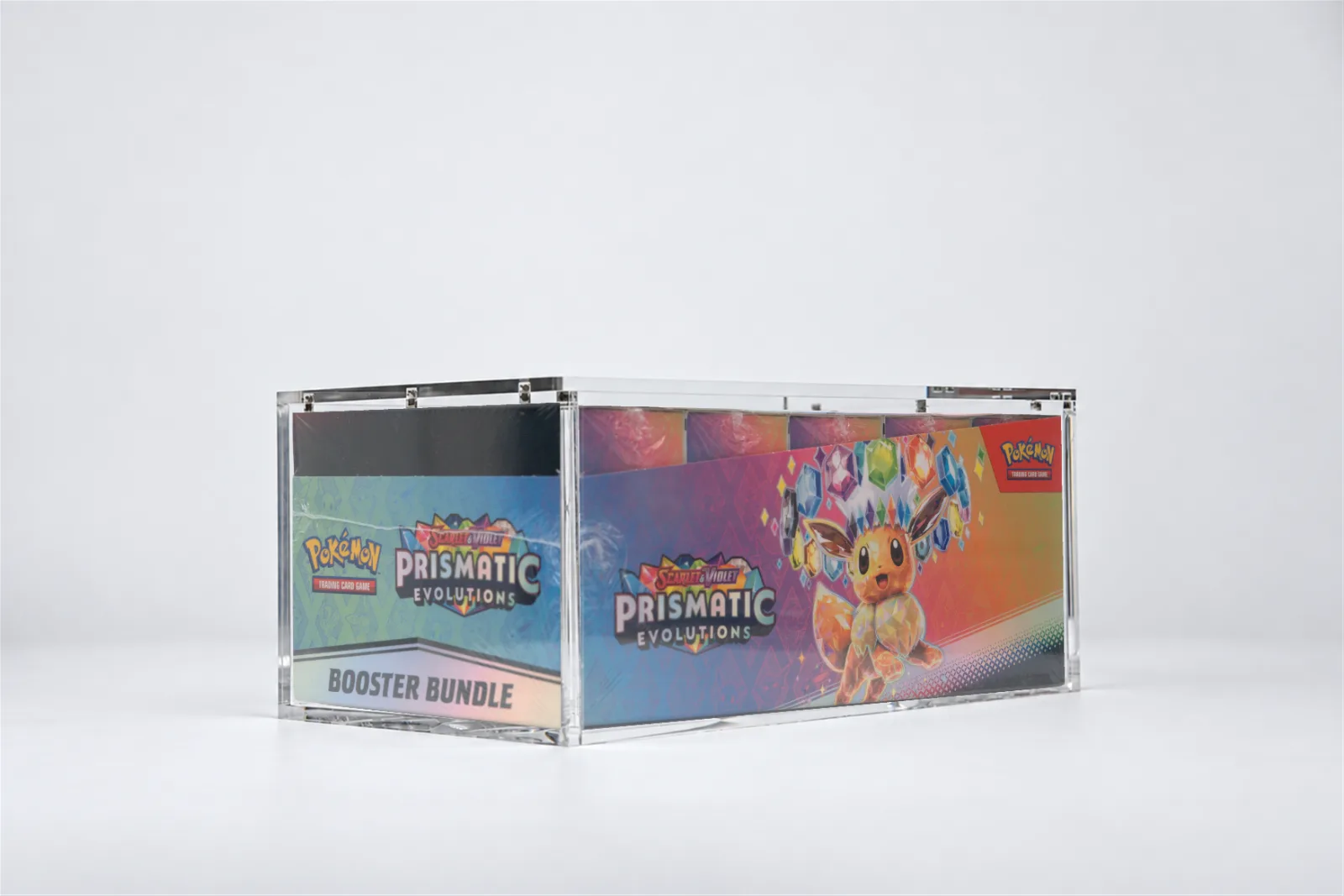
When people weigh up acrylic against plastic, they're usually choosing between a thick, rigid case and a thin protector folded around your collectible. Those are two very different things, and both have their place.
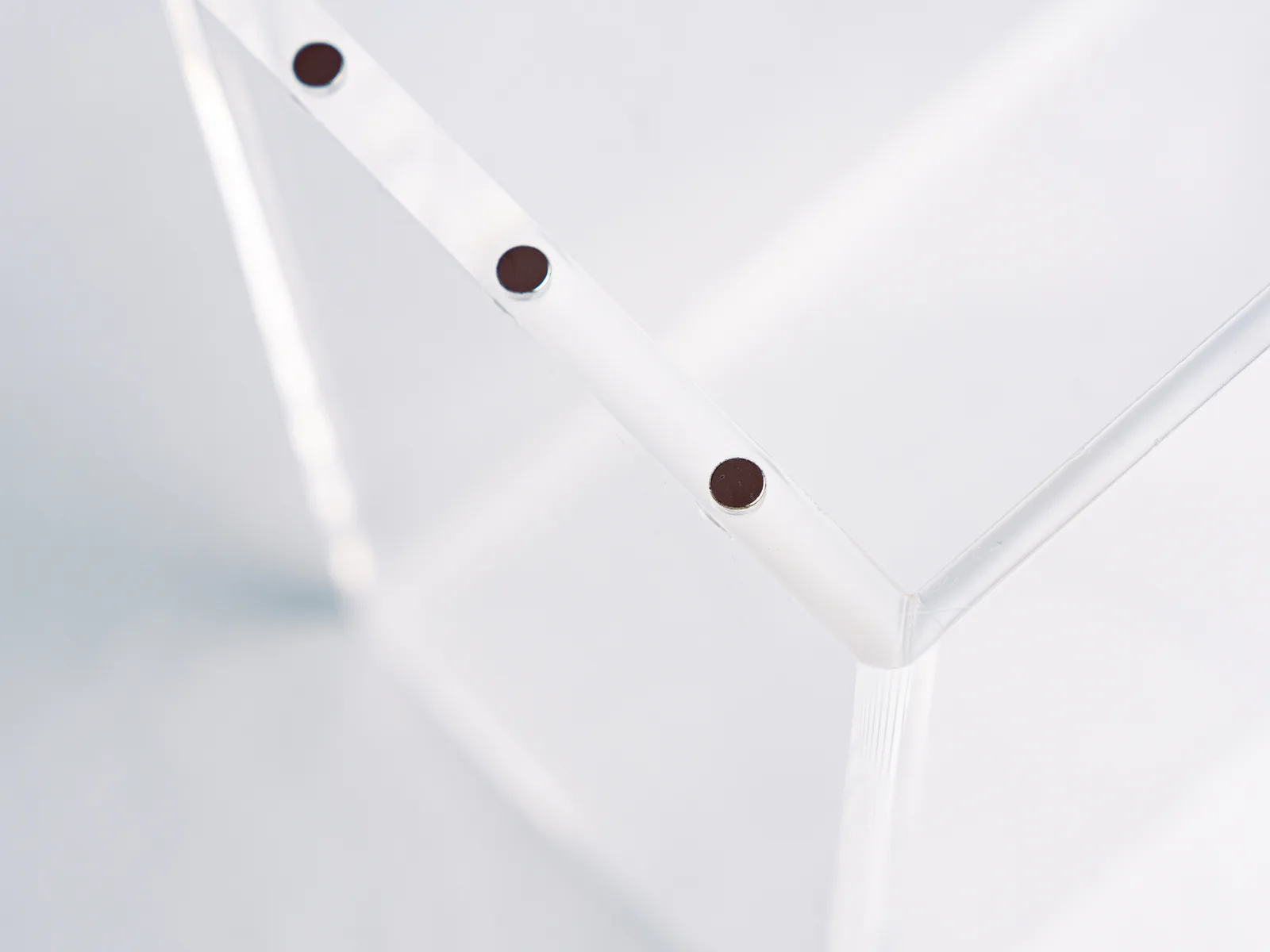
Acrylic vs plastic ETB case? Acrylic is a plastic. It's polymethyl methacrylate (PMMA), a clear, rigid plastic sold under brand names such as Plexiglas and Perspex (Britannica). So the question is usually about something else: a case with thick, rigid walls, or a protector made of thin plastic that folds around your collectible.
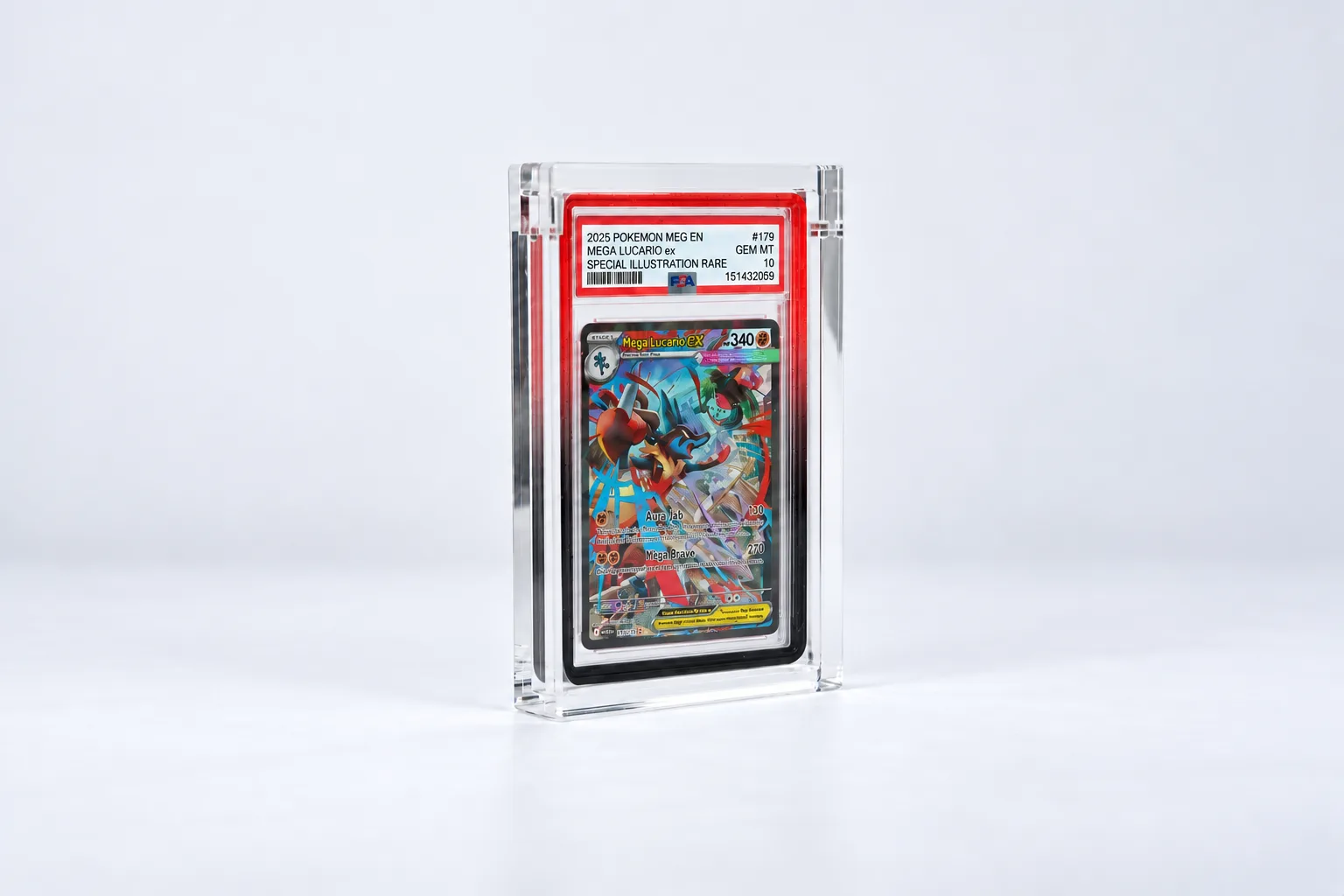
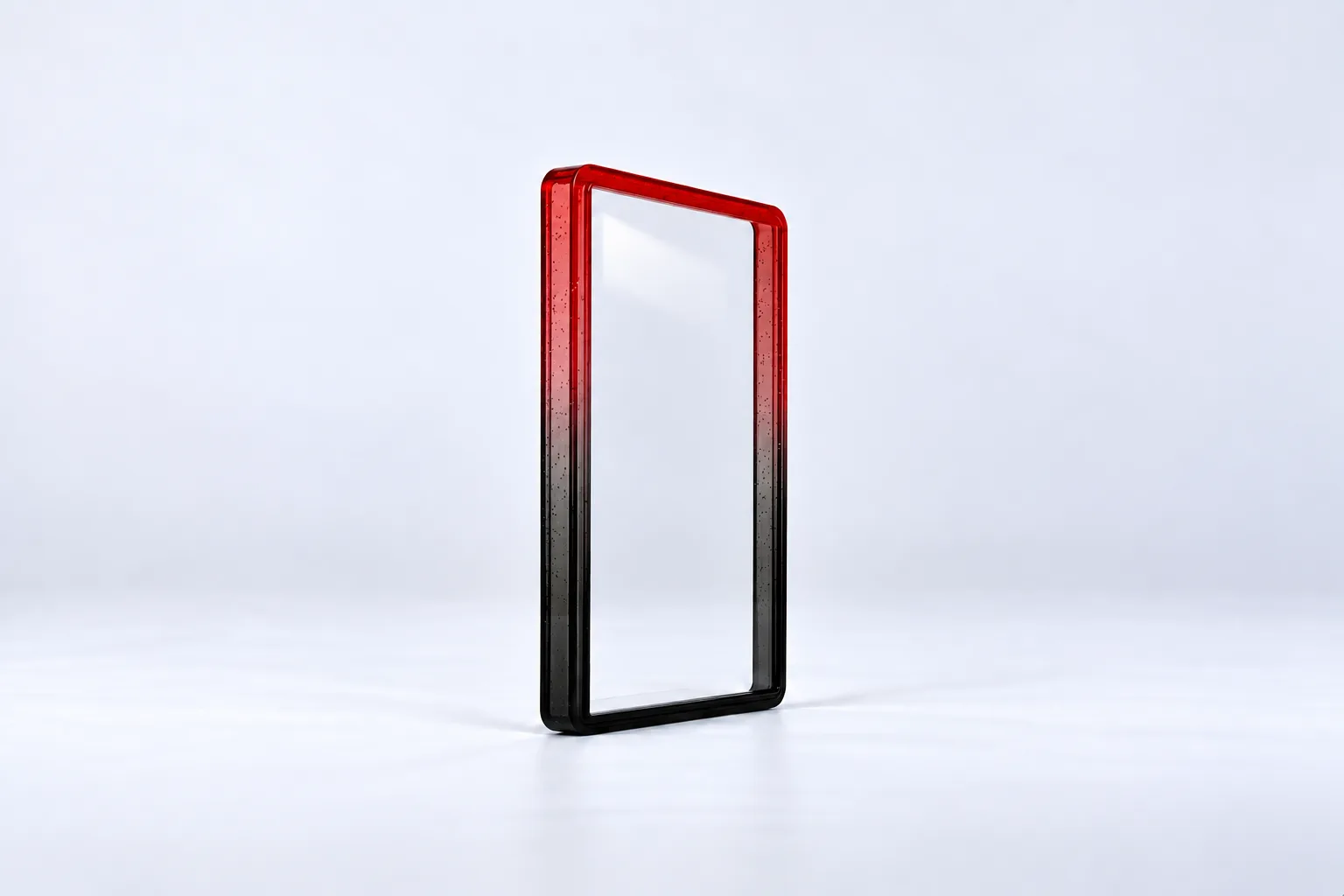
A thin protector keeps dust, fingerprints and scuffs off your collectible, takes up hardly any room and costs less. A rigid acrylic case also takes knocks and pressure. If your collection lives in a cupboard or storage tub, a protector is often enough. If you display your collectibles, handle them a lot, stack things on top or keep them somewhere with sunlight, a case of UV-blocking acrylic does more.
| Thin protector | Rigid acrylic case | |
|---|---|---|
| Walls | thin plastic, flexes | thick sheet, rigid |
| Keeps off | dust, fingerprints, scuffs | dust, fingerprints, scuffs, knocks and pressure |
| Space | barely bigger than your collectible | walls a few millimetres thick all round |
| Something on top | your collectible takes the weight | the case takes the weight |
| UV-blocking | sometimes; check whether a percentage is given | often: a lot of acrylic contains a UV-blocking agent |
What is acrylic?
Britannica describes PMMA as "a tough and rigid plastic" with "almost perfect transmission of visible light", and says it keeps those properties "over years of exposure to ultraviolet radiation and weather". That's why it's been used in place of glass for decades, from illuminated signs to aircraft canopies.
It isn't unbreakable, though: if a case lands on a tiled floor, it can crack. The British museum Tate describes untreated plastic as having a vulnerable surface and being prone to static. For cleaning acrylic without scratching it, see PSA slab scratches.
What about polycarbonate?
Besides acrylic, you'll come across polycarbonate (PC). Britannica calls it a tough, transparent plastic with an impact strength "considerably higher than most plastics", which is why it goes into shatterproof windows and safety helmets. In a 2005 review of glazing for works of art, the Tate rates polycarbonate as the most resistant to breaking and scratching of the three plastics it compared (acrylic, polycarbonate and polystyrene).
On the other hand, the Tate says polycarbonate is "generally thought to be inferior to good quality acrylic in colour, clarity and long term stability". If your case might take a tumble, polycarbonate is the tougher one. If you want the clearest view of your collectible for years to come, acrylic is the better pick.
Thin protectors: check which plastic
A protector is a sheet of thin plastic folded around your collectible. Since it'll sit against your collectible for years, the type of plastic matters. The Missouri State Archives recommends only polyester, polypropylene or polyethylene for sleeves and envelopes, and says to "particularly avoid" PVC, also known as vinyl (Missouri State Archives). PET is a polyester (Britannica).
If the packaging says PET, PP or PE, it's one of those three. If it says PVC or vinyl, pick a different one. If it says nothing, ask.
Where a protector stops: it flexes. A knock on a corner goes straight through the plastic to the cardboard, and anything you put on top rests on your collectible.
On UV, the same goes for both: only count on it if a percentage is given, and ask how the UV protection is added. What to look for is in Are acrylic cases worth it?
Our cases
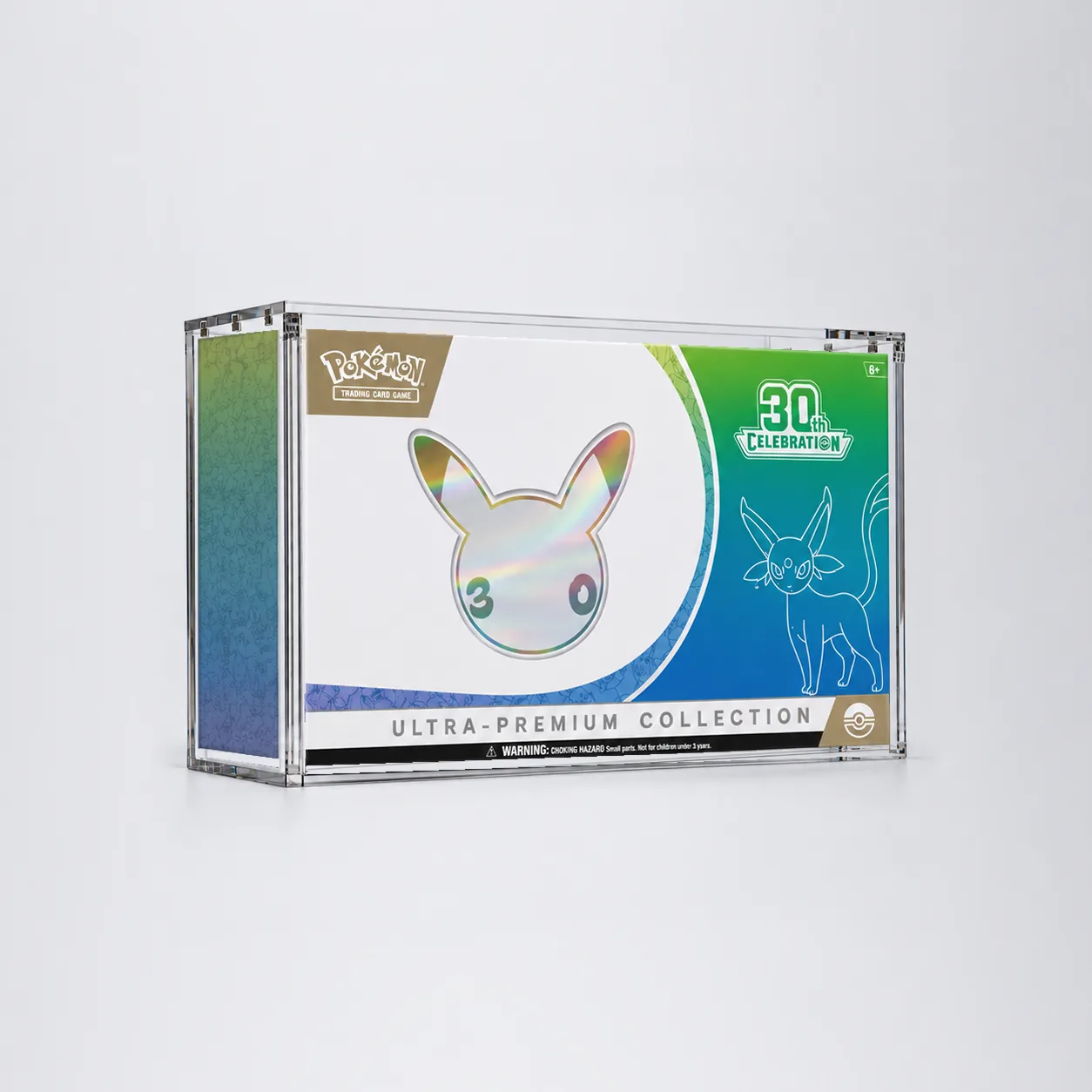
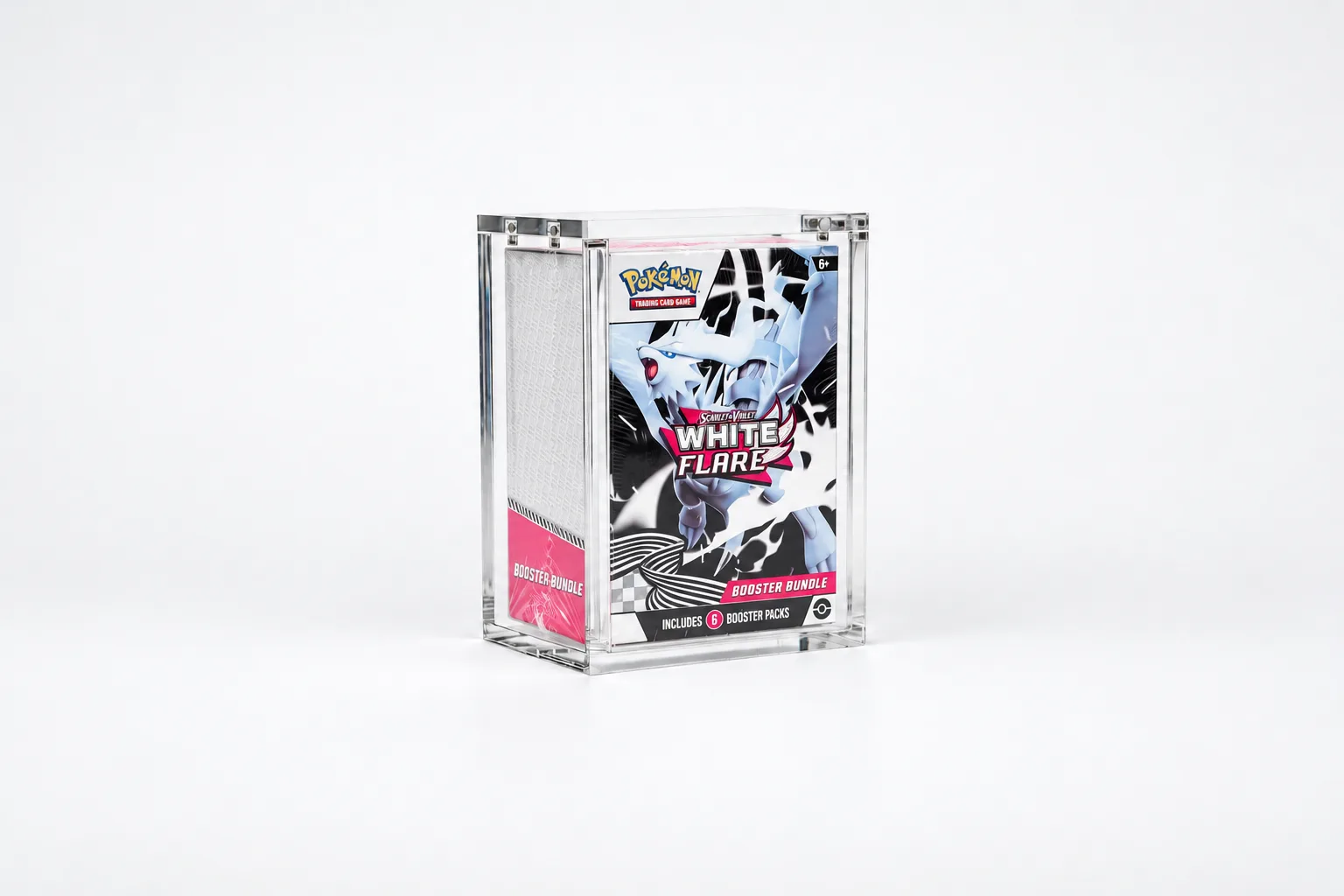
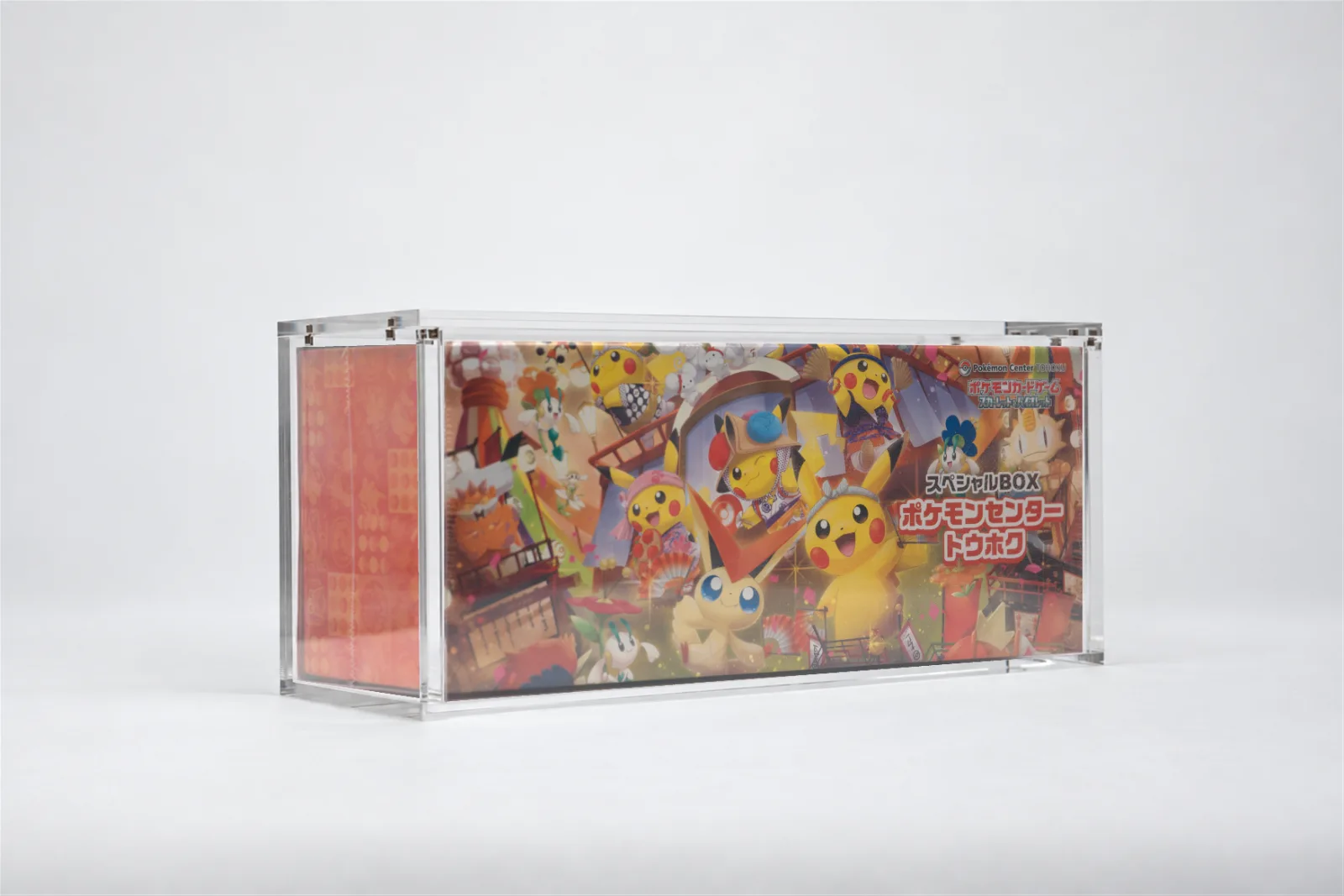
Our cases are made of clear acrylic treated with an agent that blocks 96% of UV. So the case protects your collectible not only from dust, fingerprints and knocks, but also from the radiation that slowly fades printing ink and cardboard. Once colour has faded, it does not come back.
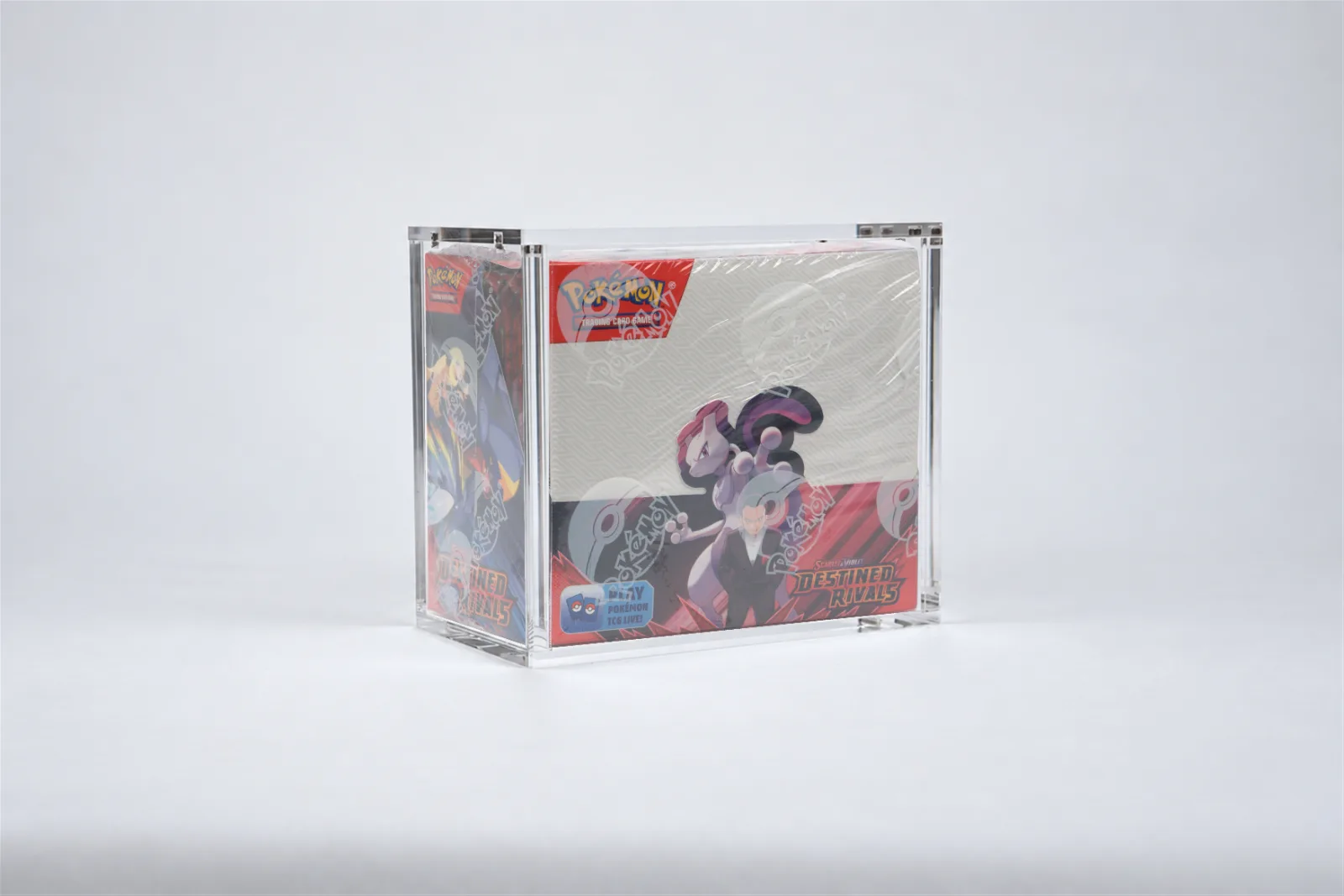
Booster Box Case
€11.99In stock
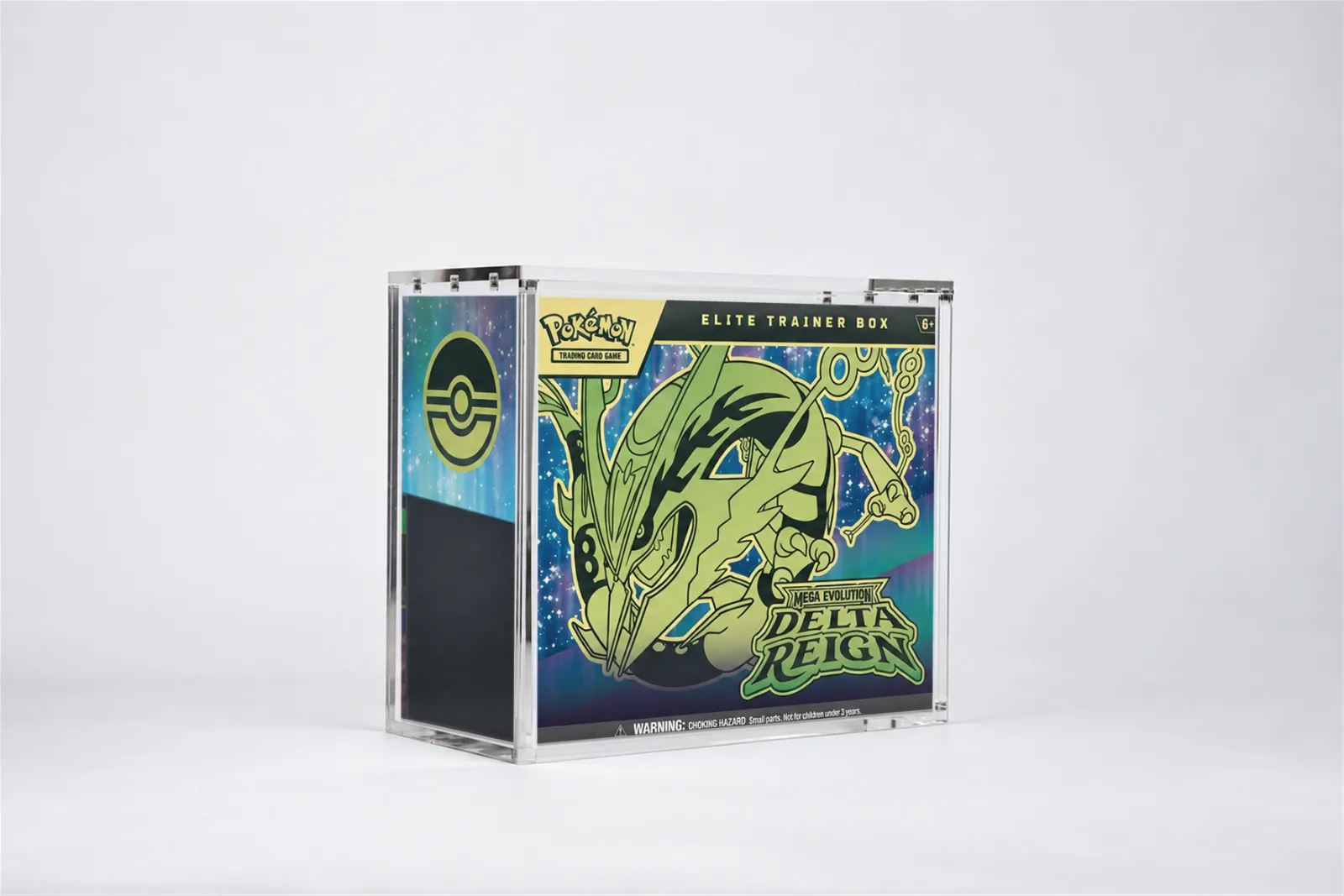
ETB Case
€14.49Pre-order, expected around 24 November 2026
Frequently asked questions
Is acrylic the same as Plexiglas?
Plexiglas is a brand name for acrylic. Britannica notes that PMMA is sold under "the trademarks Plexiglas, Lucite, and Perspex". So when someone says Plexiglas, they mean acrylic.
Is a plastic protector enough for an ETB?
In a cupboard or storage tub it often is. If the ETB sits on an open shelf or you handle it often, a rigid case does more, because a protector flexes. If it stands somewhere with daylight, choose a case of UV-blocking acrylic. Our acrylic is treated with an agent that blocks 96% of UV.
Which plastic is safe for sealed Pokémon?
For sleeves and envelopes, the Missouri State Archives recommends polyester (such as PET), polypropylene and polyethylene, and says to avoid PVC above all. That list is about sleeves, so acrylic isn't on it. For works on paper, though, the Tate used acrylic in 2005: "ultraviolet absorbing 3 mm acrylic sheet" for the majority of them.
Is polycarbonate better than acrylic?
Tougher, not clearer. Polycarbonate is less likely to break, but the Tate rates good quality acrylic higher for colour, clarity and long-term stability.
Is PokeShield's acrylic UV resistant?
Yes. Our acrylic is treated with an agent that blocks 96% of UV. We checked this ourselves with a UV tester.